
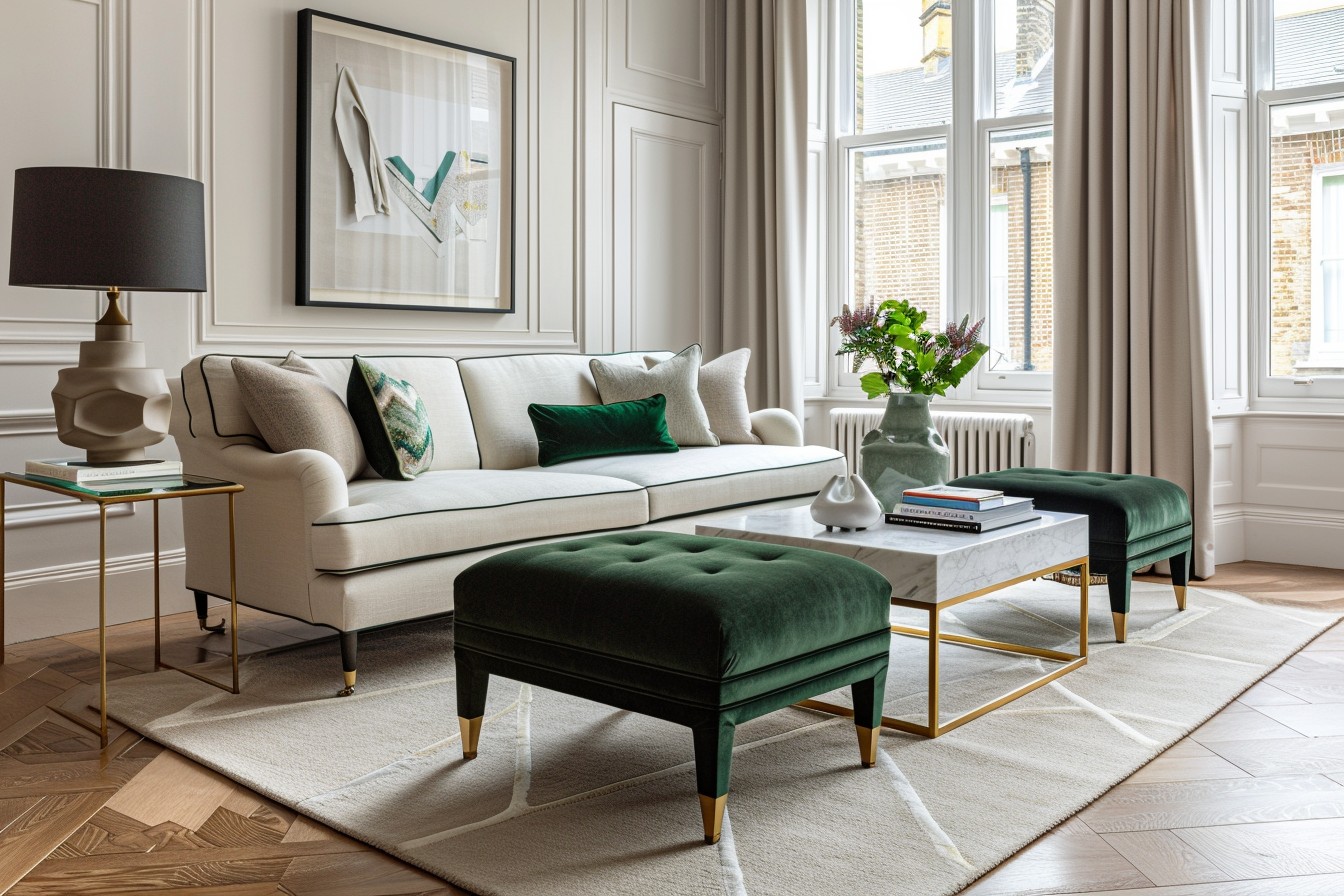
There’s something universally appealing about an ottoman. Whether it’s a plush velvet cube in a Mayfair living room, a leather storage ottoman in a Shoreditch office reception, or a practical footstool in a busy family home, these versatile pieces of furniture have earned their place in our hearts and our interiors. They’re the Swiss Army knives of the furniture world: footrests, extra seating, coffee tables, storage solutions, and statement pieces all rolled into one. But here’s the uncomfortable truth that most people don’t consider—whilst everyone loves an ottoman, very few people know how to clean them properly. In fact, many ottoman owners are inadvertently damaging their beloved furniture pieces with well-intentioned but misguided cleaning attempts. Whether you’re a homeowner wanting to protect your investment or a facilities manager responsible for maintaining commercial spaces, understanding proper ottoman care is essential. This guide will walk you through everything you need to know about keeping your ottomans fresh, hygienic, and looking their best for years to come.
Why Ottoman Cleaning Matters More Than You Think
The Hidden Dirt Trap in Your Living Room
Ottomans might look innocent enough, but they’re actually one of the most contaminated pieces of furniture in any space. Consider their typical use: feet rest on them daily, transferring outdoor dirt, bacteria, and whatever else we’ve walked through. Children use them as impromptu seats whilst eating snacks. In commercial environments, countless visitors place their shoes, bags, and belongings on them throughout the day. Unlike regular seating where our clothing provides a barrier, ottomans often receive direct contact with the dirtiest items in our lives—our shoes.
The result? Ottomans harbour impressive amounts of dust mites, allergens, bacteria, dead skin cells, and ingrained dirt. For households with allergies or respiratory sensitivities, a neglected ottoman can be a significant contributor to poor indoor air quality. The fabric weave traps particles that simple surface wiping cannot remove, creating an environment where microorganisms thrive. In commercial settings, where first impressions matter enormously, a visibly soiled or musty ottoman can undermine an otherwise impeccable space. Beyond the health implications, neglecting proper ottoman care can void manufacturer warranties and dramatically reduce the furniture’s lifespan, turning what should be a decade-long investment into a few years of use before replacement becomes necessary.
The Cost of Getting It Wrong
Perhaps even more concerning than not cleaning your ottoman is cleaning it incorrectly. We’ve seen countless ottomans damaged beyond repair by well-meaning owners who’ve applied the wrong techniques or products. Using standard household cleaners on delicate fabrics can cause permanent discolouration or weaken fibres. Excessive water or improper drying techniques can lead to mould growth, unpleasant odours, and structural damage to internal padding and frames. Aggressive scrubbing can distort fabric weave, create permanent marks, or remove protective finishes.
One of the most common and frustrating mistakes is attempting to remove a stain with the wrong product, which can actually set the stain permanently into the fibres, making professional removal impossible. We’ve also encountered numerous cases where DIY steam cleaning has caused dyes to bleed, colours to fade, or fabrics to shrink. What begins as an attempt to save money on professional cleaning often ends with the need to reupholster or replace the entire piece—a far more expensive outcome than calling in experts from the start.
Know Your Ottoman: Material Matters
Fabric Upholstered Ottomans
The first rule of ottoman cleaning is understanding exactly what you’re working with. Fabric ottomans come in a bewildering array of materials, each with its own cleaning requirements. Cotton and linen ottomans are relatively forgiving and can typically handle water-based cleaning, though they’re prone to shrinking if over-wetted. Polyester blends offer excellent stain resistance and durability, making them popular for high-traffic commercial environments. Velvet ottomans require an entirely different approach—the pile must be treated gently to avoid crushing or creating permanent marks. Microfibre, whilst appearing delicate, is often surprisingly resilient and responds well to appropriate cleaning methods.
The most important information for any fabric ottoman is its cleaning code, usually found on a tag attached to the base or hidden underneath. These codes are your roadmap to safe cleaning: “W” means water-based cleaners are safe, “S” indicates solvent-based cleaners only, “SW” allows either water or solvent-based products, and “X” means vacuum only with no wet cleaning permitted. Ignoring these codes is one of the fastest ways to ruin an ottoman. If the tag has been removed or is illegible, it’s worth consulting a professional before attempting any cleaning beyond vacuuming.
Leather and Faux Leather Ottomans
Leather ottomans present their own unique considerations. Genuine leather requires regular conditioning to prevent drying and cracking, but it’s also surprisingly sensitive to water and certain cleaning products. Full-grain leather is the most durable and can develop a beautiful patina over time, but it needs pH-balanced cleaners specifically formulated for leather. Top-grain leather, whilst more affordable, has a protective finish that can be damaged by harsh products or excessive moisture.
Bonded leather—made from leather scraps and polyurethane—is far less durable and more prone to peeling, requiring even gentler treatment. Faux leather ottomans, increasingly popular due to animal welfare concerns and lower costs, are made from various synthetic materials like PVC or polyurethane. Whilst these are generally easier to clean than genuine leather, they can be damaged by alcohol-based products, excessive heat, or abrasive cleaning tools. The key difference in cleaning leather versus fabric is that leather is a skin that needs to breathe and be nourished, not just cleaned. Using the wrong products can strip natural oils, leading to premature ageing, cracking, and an irreversibly damaged appearance.
Specialty Materials
Some ottomans require extra consideration. Suede ottomans need specialised brushes and cleaning products, with stains often requiring professional attention. Tufted ottomans with decorative buttons present challenges as moisture can collect around the button indentations, potentially causing rust stains or water marks. Ottomans with contrasting piping, decorative trim, or mixed materials need careful spot-testing as different materials may react differently to the same cleaning product. Vintage or antique ottomans may have fragile fabrics or dyes that aren’t colourfast, making professional cleaning essential rather than optional.
The Professional Approach: Step-by-Step Ottoman Cleaning
Regular Maintenance (Weekly to Monthly)
Proper ottoman care begins with consistent maintenance rather than waiting until visible soiling demands attention. Weekly vacuuming is your first line of defence, and technique matters enormously. Use your vacuum’s upholstery attachment with soft bristles, working in the direction of the fabric weave or pile. For tufted ottomans, use the crevice tool to reach around buttons and in seams where dirt accumulates. Don’t rush—slow, overlapping passes remove far more embedded dirt than quick, haphazard vacuuming.
For high-traffic commercial environments or homes with pets and children, consider vacuuming ottomans two to three times weekly. Between deep cleans, address spills immediately—the faster you respond, the less likely a permanent stain will form. Keep appropriate cleaning products on hand and always blot rather than rub when dealing with fresh spills. For leather ottomans, a quick wipe with a slightly damp microfibre cloth weekly will remove surface dust and prevent buildup. If your ottoman sees heavy use, consider rotating it quarterly to distribute wear patterns evenly, particularly important for ottomans with removable tops or reversible cushions.
Deep Cleaning Process
Professional-level deep cleaning follows a systematic approach that protects your ottoman whilst achieving superior results. Begin with a thorough pre-inspection, checking for existing damage, loose threads, or areas of concern. Vacuum comprehensively to remove loose soil—this prevents dirt from turning into mud during wet cleaning. Always test your cleaning solution on an inconspicuous area first, waiting for it to dry completely to check for adverse reactions like colour bleeding or fabric damage.
For water-safe fabrics (cleaning code W or SW), use a professional-grade upholstery cleaner or a mild solution of pH-neutral detergent and water. Apply the solution sparingly—you want the fabric damp, not saturated. Work in small sections, using a soft brush or microfibre cloth to gently agitate the fabric and lift dirt. The extraction phase is critical and where most DIY attempts fail. Professional extraction equipment removes far more moisture and dirt than household methods, reducing drying time and preventing water damage. If you’re working without professional equipment, use clean, dry towels to blot away as much moisture as possible, changing towels frequently.
Proper drying is paramount. Never use direct heat sources like radiators or hair dryers, which can shrink fabric or crack leather. Instead, ensure good air circulation and allow natural drying, which may take 6 to 12 hours depending on fabric type and ambient conditions. For solvent-clean-only fabrics (code S), use appropriate dry-cleaning solvents in a well-ventilated area, following product instructions precisely. Consider applying a fabric protector after cleaning to create a barrier against future stains—this is particularly worthwhile for light-coloured ottomans or those in high-use areas.
Tackling Common Stains
Different stains require different approaches, and knowing these distinctions can mean the difference between success and disaster. For water-based stains like coffee, tea, wine, or soft drinks, blot immediately with a clean, white cloth, working from the outside of the stain inward to prevent spreading. Apply a mixture of cool water and a small amount of washing-up liquid, blot again, then rinse with clean water and blot dry. Never rub vigorously as this damages fibres and pushes the stain deeper.
Pet accidents require enzymatic cleaners that break down organic matter and eliminate odours at a molecular level. Standard cleaners merely mask the smell temporarily, and pets will often return to the same spot if biological residues remain. Oil-based stains from cosmetics, cooking oil, or body lotions need a solvent-based approach—even on water-cleanable fabrics. Sprinkle bicarbonate of soda on the stain to absorb oil, leave for several hours, vacuum thoroughly, then treat with an appropriate solvent cleaner. Ink stains are particularly challenging and often require professional attention, though rubbing alcohol applied carefully with a cotton bud can sometimes lift fresh ink from certain fabrics.
Mud and dirt stains should always be allowed to dry completely before treatment—counterintuitive as this seems. Once dry, vacuum away loose soil, then treat any remaining stain with an appropriate cleaner. Attempting to clean wet mud simply spreads it and drives it deeper into the fibres. For any stubborn or valuable ottoman, professional cleaning is worth the investment rather than risking irreversible damage through trial and error.
When to Call in the Professionals
Whilst regular maintenance can be handled in-house, certain situations demand professional expertise. If you’ve invested in an antique, designer, or particularly expensive ottoman, professional cleaning protects that investment far better than DIY attempts. When stains have been present for weeks or months, or when previous cleaning attempts have failed, professionals have access to specialised products and techniques unavailable to consumers. If you’re uncertain about your ottoman’s fabric type, cleaning code, or colorfastness, a professional assessment costs far less than replacing damaged furniture.
Commercial environments face additional considerations. Many insurance policies and lease agreements require professional cleaning documentation. Hotels, offices, medical facilities, and hospitality venues need the hygiene guarantees that certified professional cleaning provides. Professional cleaners also work far more quickly, meaning less disruption to business operations—a commercial reception area ottoman can often be cleaned and dried within a single day.
End-of-tenancy cleaning is another scenario where professional services make financial sense. Landlords and letting agents increasingly require professional cleaning certification for deposit returns, and ottoman cleaning is often specifically mentioned in inventory reports. Beyond these specific situations, if your ottoman has significant sentimental or monetary value, or if you simply want the peace of mind that comes from expert care, professional cleaning is a modest expense compared to replacement costs.
Protecting Your Investment: Long-Term Ottoman Care
Prevention is invariably easier and more cost-effective than correction. Having your ottoman professionally treated with a fabric protection product creates an invisible barrier that causes spills to bead on the surface rather than immediately absorbing into fibres. This gives you precious extra time to respond to accidents and dramatically reduces staining likelihood. These treatments typically last 12 to 18 months in domestic settings and 6 to 12 months in commercial environments, after which reapplication is advisable.
Strategic placement matters enormously. Whilst it’s tempting to position your ottoman in the centre of a sitting area or as a coffee table, consider whether this exposes it to unnecessary risk. Direct sunlight causes fading and fabric degradation over time—if repositioning isn’t possible, consider UV-protective window treatments. In homes with young children, using washable throws or decorative covers on ottomans protects the underlying fabric whilst adding visual interest that can be changed with seasons or moods.
Establishing a regular cleaning schedule transforms ottoman care from a daunting task into a manageable routine. For domestic settings, deep cleaning once or twice annually, combined with weekly vacuuming and immediate spot treatment, will keep most ottomans looking excellent for years. Commercial settings benefit from quarterly professional cleaning with weekly maintenance, though high-traffic areas may require monthly professional attention. For businesses, maintenance contracts with professional cleaning firms often provide better value than ad-hoc bookings whilst ensuring consistent care standards.
Conclusion
Your ottoman works hard for you, providing comfort, functionality, and aesthetic appeal day after day. It deserves more than the occasional hasty wipe-down or panicked attempt to remove a stubborn stain. Proper ottoman cleaning isn’t complicated, but it does require understanding your specific furniture piece, using appropriate techniques and products, and knowing when professional help will achieve better results than DIY efforts. Whether you’re caring for a cherished family piece, maintaining a professional commercial environment, or simply wanting your home to look and feel its best, investing time and attention in proper ottoman care pays dividends in longevity, appearance, and hygiene. If you’re uncertain about the best approach for your ottomans, or if they’re overdue for professional attention, we’re here to help. Our London-based carpet and upholstery cleaning specialists have the expertise, equipment, and products to restore and protect your ottomans, ensuring they continue enhancing your space for years to come.